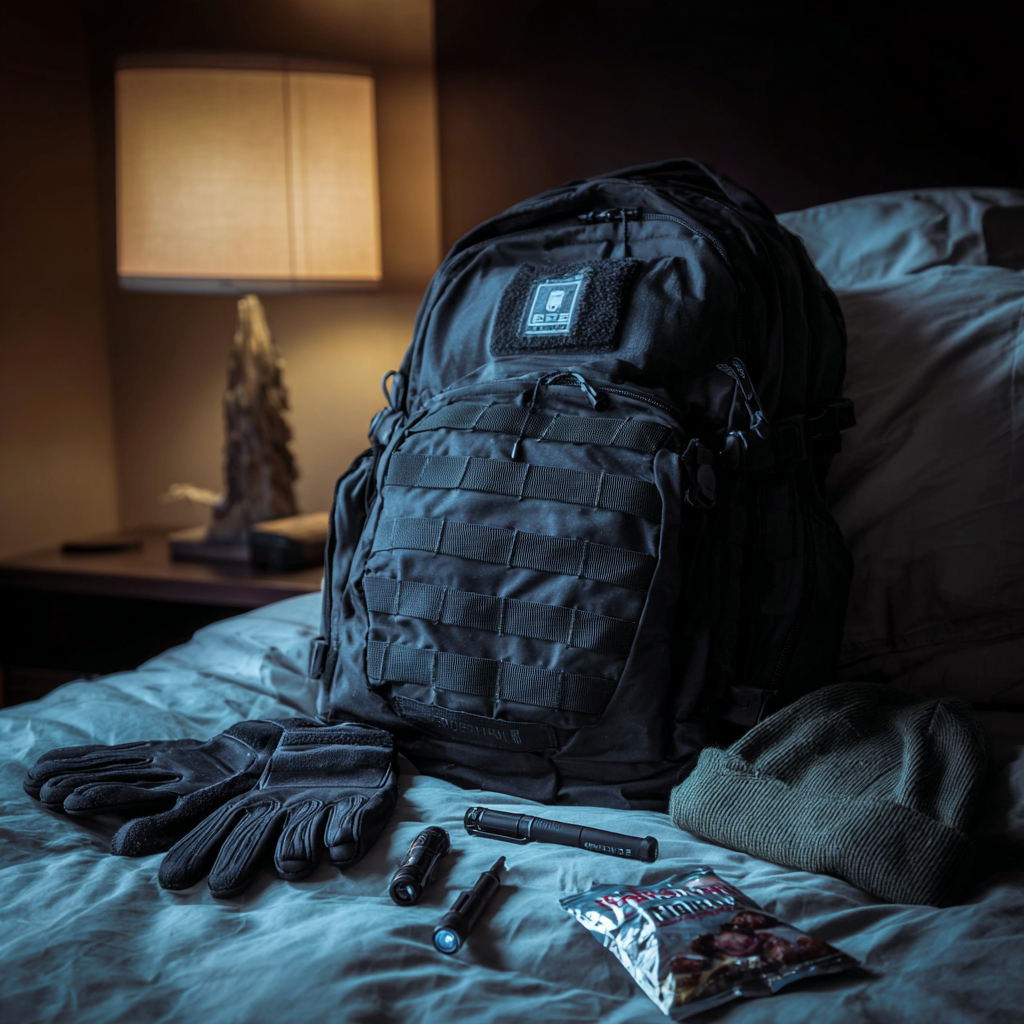
How to Build a Bug-Out Bag for Beginners
Introduction: Prepping Doesn’t Have to Break the Bank
The idea of building a bug-out bag can feel overwhelming — especially when you’re just getting started. You’ve probably seen fancy packs filled with tactical gear and name-brand tools priced well into the hundreds. But here’s the good news:
You can build an effective beginner bug-out bag for under $150 — and sometimes even less.
In this guide, we’ll walk you through a complete budget-friendly bug-out bag build that covers the essentials: shelter, water, food, fire, first aid, and tools. We’ll also share smart ways to save money, prioritize your purchases, and avoid common mistakes.
If you’re not quite sure what a bug-out bag is or why you need one, check out our foundational guide:
🔗 Bug-Out Bag 101: What It Is and Why You Need One
What’s the Purpose of a Bug-Out Bag?
A bug-out bag (BOB) is a pre-packed emergency kit designed to sustain you for 72 hours during a crisis. Think wildfires, power grid failures, hurricanes, civil unrest — any situation where you need to leave home fast and survive on your own.
For beginners, it’s easy to overthink or overspend. The key is to focus on function over flash. You don’t need military-grade gear to get started — just smart planning and a little creativity.
Core Survival Categories – Survival Rule of 3s
Let’s break down the bag into core categories based on the Survival Rule of 3s:
- 3 minutes without air or protection
- 3 hours without shelter (in extreme environments)
- 3 days without water
- 3 weeks without food
We’ll cover:
- Backpack (the bag itself)
- Shelter & Clothing
- Water & Purification
- Food & Cooking
- Fire Starting
- First Aid & Hygiene
- Tools & Multi-Use Gear
- Lighting & Communication
- Personal Documents & Extras

1.Backpack
A good quality bug-out bag is crucial because it serves as your mobile life-support system in an emergency. When disaster strikes and you’re forced to leave home quickly, your bug-out bag needs to carry everything required for survival — water, shelter, food, first aid, tools, and more. If your bag is poorly made, too small, uncomfortable, or prone to tearing, it can compromise your ability to travel efficiently and access critical supplies when you need them most. A reliable, well-constructed bag ensures durability under stress, keeps your gear organized, and allows you to move with confidence, knowing your essentials are secure and within reach. In a high-stakes situation, your bag isn’t just gear — it’s your lifeline.
What to Look for When Selecting a Bug-Out Bag Backpack (And Why It Matters)
1. Capacity (35–50 Liters)
A bug-out bag should hold enough gear to sustain you for at least 72 hours. A pack in the 35–50 liter range strikes the right balance between storage and mobility. Too small, and you’ll run out of space; too large, and you’ll be tempted to overpack, making it too heavy to carry comfortably.
2. Durable Material (600D–900D Polyester or Nylon)
Your backpack will face rough terrain, heavy loads, and unpredictable weather. Choosing a material like 600D or 900D polyester or nylon ensures the bag can take a beating without tearing. Thicker fabric with water-resistant coatings is a bonus for keeping gear dry.
3. Padded Shoulder Straps
Carrying 20–30 pounds of gear puts serious strain on your shoulders. Padded shoulder straps help distribute the weight more evenly and reduce fatigue, especially during long hikes or extended evacuations.
4. Adjustable Sternum and Waist Straps
A backpack that only sits on your shoulders will wear you out fast. Sternum and waist straps transfer the load to your hips and chest, helping you maintain balance and comfort over long distances.
5. Ventilated Back Panel
Sweat buildup leads to discomfort, chafing, and even heat rash. A ventilated or mesh back panel improves airflow and keeps your back cooler during high-exertion travel.
6. Multiple Compartments and Pockets
When your gear is neatly organized, you can access it faster and pack more efficiently. Separate compartments for shelter, food, tools, and first aid reduce stress and save time in critical moments.
7. Clamshell (Front-Loading) Design
A front-loading or “clamshell” backpack opens fully, like a suitcase. This makes it easier to pack, unpack, and find items quickly without digging through layers of gear from the top down.
8. MOLLE Webbing (Optional)
If you plan to expand or customize your loadout, look for MOLLE-compatible webbing. This modular system allows you to attach extra pouches, water bottle carriers, or tools to the outside of the bag, giving you more flexibility and space.
9. Compression Straps
Compression straps help stabilize the load inside your pack. This keeps items from shifting during movement, improves weight distribution, and keeps your profile tighter for easier travel in narrow or wooded areas.
10. Neutral or Earth-Tone Colors
Avoid flashy designs or bright colors that draw attention. Neutral tones like black, gray, green, or brown allow you to blend in with your environment, which is especially important if you’re trying to maintain a low profile during a crisis (the “gray man” approach).
11. Heavy-Duty Zippers and Reinforced Stitching
Your zippers and seams are the first things to fail on a cheap backpack. Look for YKK zippers or equivalent and double-stitched seams, especially around stress points and high-load areas. A ripped seam or broken zipper in the field could leave you without access to critical gear.
12. Reinforced Bottom
A reinforced bottom prevents tears from repeated contact with the ground and protects the bag when it’s set down on rocks, wet surfaces, or uneven terrain. It also helps your pack maintain shape and structure.
I recommend the 3VGEAR Paratus 3-Day Tactical Backpack 40L

2. Shelter
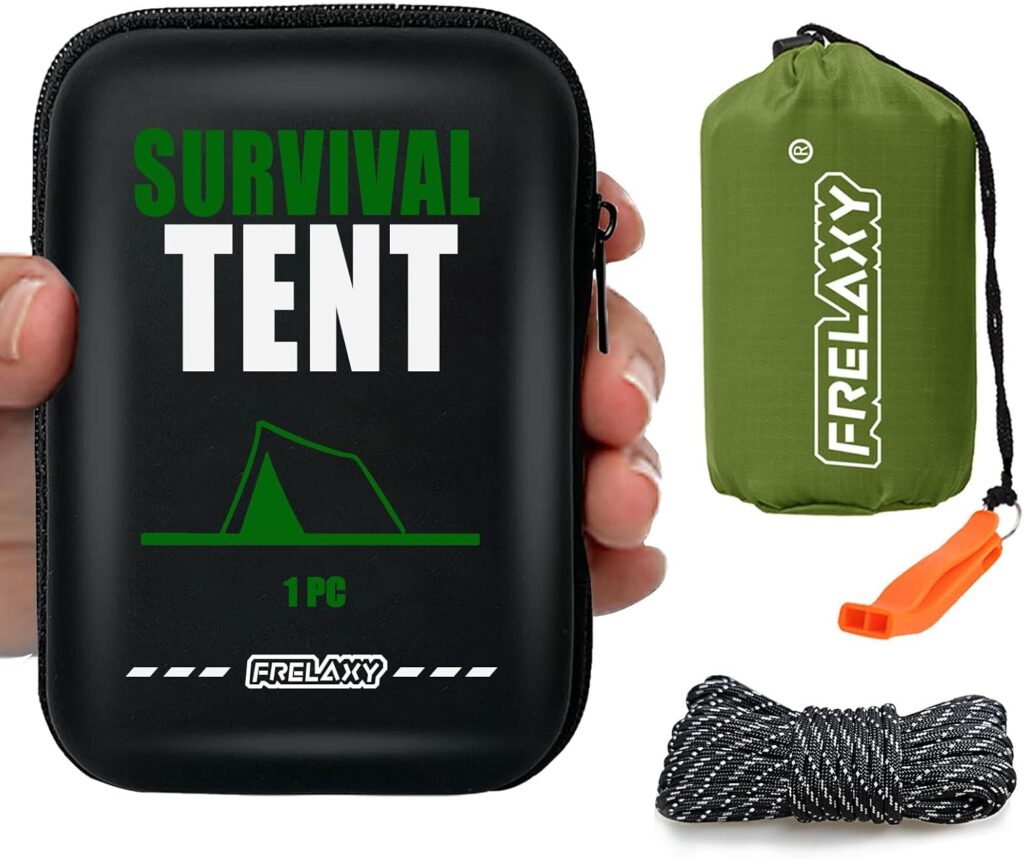
A good quality shelter is crucial in a bug-out bag because exposure to the elements can become life-threatening in a matter of hours, especially in extreme weather conditions. Whether you’re facing cold temperatures, rain, wind, or intense sun, having a reliable shelter helps regulate body temperature, protects against hypothermia or heat exhaustion, and provides a safe, dry place to rest. In a survival scenario, you may not have access to buildings, vehicles, or even trees for cover — your shelter is your first line of defense against the environment. A durable, lightweight, and easy-to-deploy shelter can make the difference between staying alive and becoming another casualty of poor planning.
What to Look for When Selecting a Shelter for a Bug-Out Bag (and Why It Matters)
1. Lightweight and Compact
In a bug-out scenario, every ounce counts. Your shelter should be light enough to carry long distances without adding excessive bulk or weight. A bulky tent or sleeping system can slow you down and exhaust your energy reserves. Compact gear also takes up less room, leaving space for food, water, and other essentials.
2. Waterproof or Water-Resistant
Staying dry is critical in cold or wet environments. Hypothermia can set in quickly when your body is exposed to moisture. Your shelter should be made from waterproof or highly water-resistant materials to protect you from rain, dew, or wet ground.
3. Quick and Easy Setup
In an emergency, you may have to set up camp quickly — in the dark, in the rain, or under stress. Choose a shelter that is simple and fast to deploy, ideally one you can set up alone with minimal gear or practice. Tarp systems, ponchos with grommets, and bivvy sacks are great options for speed and simplicity.
4. Durability
Shelter gear should be able to withstand wind, rough terrain, and repeated use. Look for tear-resistant materials such as ripstop nylon or reinforced polyethylene. Grommets, reinforced corners, and strong stitching add to long-term reliability.
5. Versatility
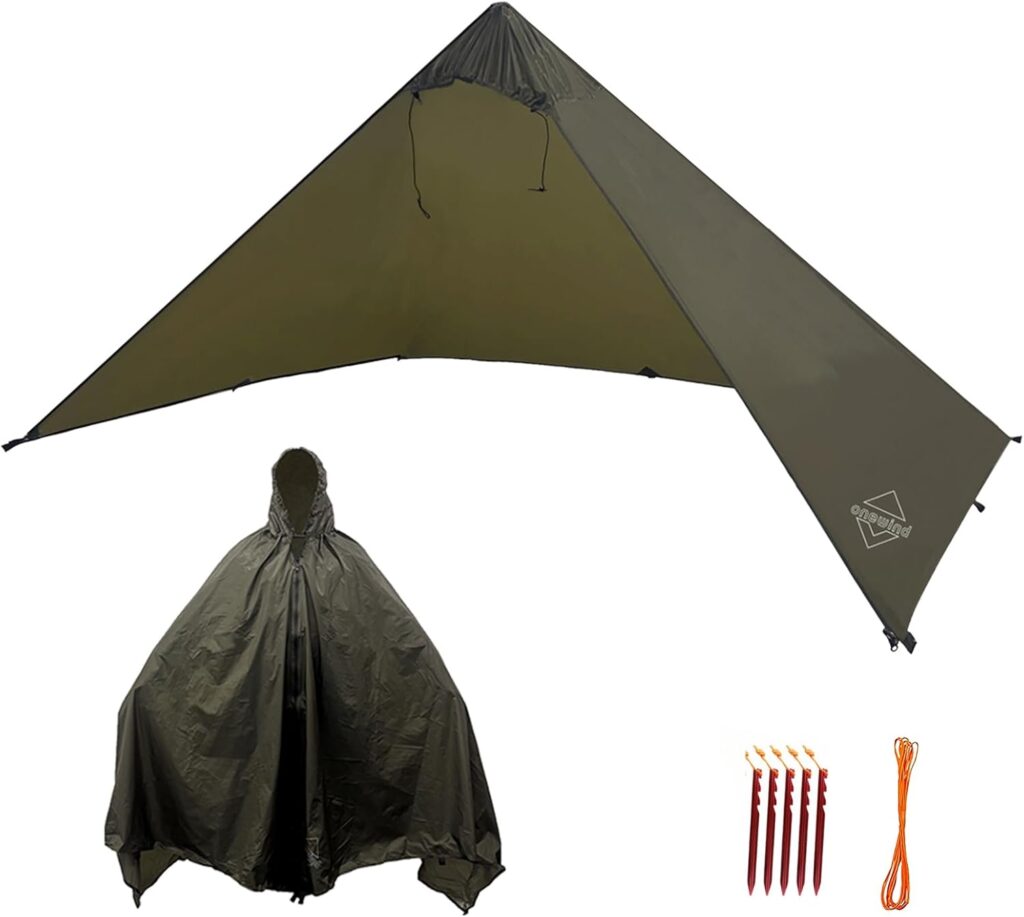
The best shelter options are multi-use, allowing you to adapt to changing environments. For example, a poncho tarp can be worn as rain protection or rigged as a shelter. A tarp can serve as overhead cover, a groundsheet, or even a windbreak. Versatility allows you to do more with less gear, which is ideal for a streamlined bug-out bag.
6. Thermal Protection
In cold environments, retaining body heat is just as important as staying dry. Look for gear that offers some degree of insulation or heat reflection, such as a mylar emergency bivvy or space blanket. These materials help trap your body heat and reduce heat loss during the night.
7. Low Visibility
If maintaining a low profile is part of your bug-out strategy (e.g., the “gray man” approach), choose shelter gear in earth tones like brown, green, or gray. Avoid bright colors, patterns, or shiny materials unless visibility is a priority (like in search and rescue scenarios).
8. Weather Suitability
Match your shelter gear to your environment. A lightweight tarp might be ideal in warm climates, while cold regions may demand layered protection like a bivvy combined with a tarp or insulated sleeping bag. Know your region and plan for the worst-case scenario in your area.
I recommend the Onewind Lightweight Poncho Shelter
3. Clothing
Good quality clothing is crucial in a bug-out bag because it serves as your first line of defense against the elements. In a survival situation, exposure to cold, rain, heat, or wind can quickly lead to hypothermia, heat exhaustion, or injury — all of which can drastically reduce your ability to move, make decisions, and stay alive. The right clothing helps regulate body temperature, keeps you dry, protects your skin, and allows you to remain comfortable and mobile under stress. Unlike fashion, survival clothing is about function: it should be durable, lightweight, quick-drying, and layered for adaptability. In short, clothing isn’t just about comfort — it’s critical survival gear.
What to Look for When Selecting Clothing for a Bug-Out Bag (And Why It Matters)
1. Layering Capability
Your clothing system should be built around layers — base, mid, and outer — so you can adjust to changing weather and activity levels. Layering gives you flexibility to stay warm, cool, or dry as needed, without packing excessive bulk.
2. Moisture-Wicking Base Layers
Your base layer sits closest to your skin and should wick sweat away to prevent chilling. Avoid cotton, which holds moisture and dries slowly. Instead, choose synthetic fabrics or merino wool, which dry fast and keep you warm even when damp.
3. Insulating Mid Layer
This layer provides warmth by trapping body heat. Look for fleece, wool, or lightweight insulated jackets that are packable and retain warmth even when wet. A good mid layer is essential in cold or fluctuating conditions.
4. Waterproof or Water-Resistant Outer Layer
Staying dry is critical in a survival situation. Choose an outer layer that offers protection from rain and wind, such as a waterproof jacket or a poncho that doubles as shelter. Breathable materials like Gore-Tex or coated nylon work well.
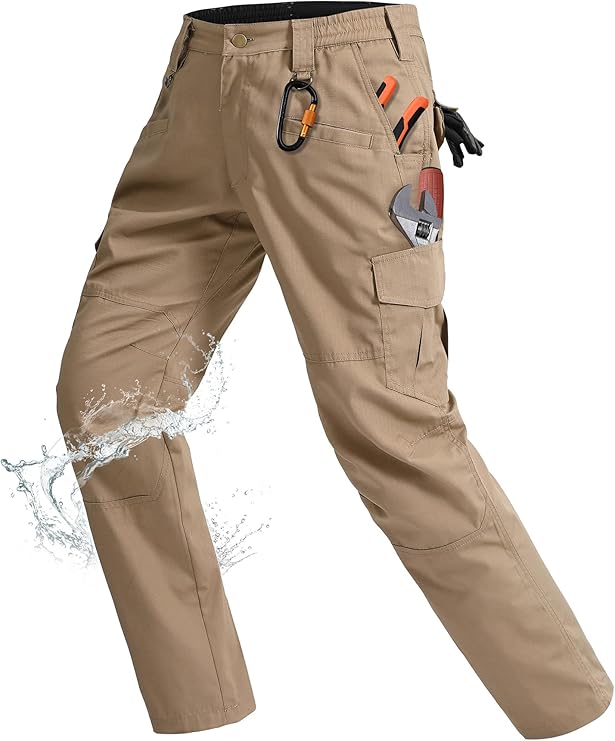
5. Durable, Quick-Drying Pants
Your pants should be tough enough for rough terrain but comfortable for walking. Choose ripstop nylon or polyester blends that dry quickly and won’t rip easily. Avoid jeans — they’re heavy, restrictive, and slow to dry.
6. Extra Socks and Underwear
Dry feet and clean undergarments are essential for hygiene, comfort, and morale. Pack 2–3 pairs of wool or synthetic socks and quick-dry, anti-microbial underwear. Wet socks can cause blisters, infections, and serious mobility issues.
7. Weather-Appropriate Accessories
Include a warm hat, gloves, and neck gaiter or buff for cold climates, or a brimmed hat for sun protection in hot environments. These small items make a big difference in maintaining core body temperature and protecting skin.
8. Multi-Use Items
Look for clothing pieces that can serve multiple functions. For example, a poncho can be used as rain protection and emergency shelter. A buff can serve as a scarf, dust mask, sweatband, or towel. Versatile clothing reduces your overall pack weight.
9. Durability Over Style
Choose rugged, high-wear fabrics that can handle extended use without tearing or fraying. Reinforced stitching, ripstop material, and abrasion resistance are more important than how the clothing looks.
10. Neutral or Earth-Tone Colors
Select clothing in gray, green, tan, or brown to blend into natural environments. These colors help you stay low-profile and less noticeable, especially if you’re trying to avoid attention during a crisis.
Here is a full list of essential clothing articles:
- Moisture-wicking base layer (top and bottom)
- Insulating mid layer (fleece jacket, hoodie, or thermal pullover)
- Waterproof or water-resistant outer shell or poncho
- Durable pants (nylon, polyester, or tactical pants – avoid jeans)
- Extra t-shirt or long-sleeve shirt (quick-dry material)
- 2–3 pairs of moisture-wicking or wool socks
- 2–3 pairs of quick-dry underwear
- Warm hat or beanie (for cold weather)
- Brimmed hat or cap (for sun protection)
- Lightweight gloves (insulated or work gloves)
- Buff, bandana, or neck gaiter (multi-use accessory)
- Compact, packable rain poncho or jacket
- Sturdy footwear (boots or trail shoes – if not worn, plan to pack)
4. Water & Purification
Water is one of the most critical elements of survival, and having access to it in an emergency can mean the difference between life and death. In a bug-out situation, you may not know when or where you’ll find clean water again, which makes carrying a reliable water supply and the means to purify more absolutely essential. A good quality water bottle ensures you have a durable, leak-proof container that can withstand rough use and store enough water to keep you hydrated between sources. Just as important is a water purification method — like a filter, purification tablets, or the ability to boil — to make natural water sources safe to drink. Without clean water, your body can begin to fail in as little as 72 hours, so ensuring your bug-out bag includes the tools to hydrate and purify is not optional — it’s survival.
What to Look for When Selecting a Water Bottle (And Why It Matters)
1. Durability
Your water bottle needs to survive rough handling, drops, and extreme conditions. Look for bottles made from stainless steel, BPA-free hard plastic, or reinforced collapsible materials. A cracked or punctured bottle could leave you without a safe way to store water in a crisis.
2. Leak-Proof Design
Water is a limited and precious resource in survival situations. A leak-proof lid or cap ensures your water stays inside the bottle and doesn’t soak your gear. Look for bottles with screw-top lids, sealing gaskets, or locking mechanisms to prevent spills.
3. Wide-Mouth Opening
Wide-mouth bottles are easier to fill from natural sources like streams or ponds, especially if you’re using a filter or purification tablets. They also make cleaning the bottle easier and allow you to pour or drink more efficiently.
4. Boil-Safe Material (Optional but Valuable)
A single-wall stainless steel bottle can be placed over a fire to boil water — a critical backup purification method if your filter fails. Avoid insulated bottles for this purpose, as they are not safe for direct heating.
5. Lightweight
Since every ounce counts in a bug-out scenario, your bottle should be lightweight yet sturdy. Hard plastic or collapsible bottles are great for reducing overall pack weight while still giving you enough hydration capacity.
6. Capacity (At Least 1 Liter)
Aim for bottles that hold at least 1 liter (32 oz) of water. This provides a practical balance between hydration needs and portability. Having two smaller bottles is also a good idea for water rotation and redundancy.
7. Compatibility with Filters
Make sure the bottle is compatible with common portable filters, such as the Sawyer Mini or LifeStraw. Bottles with standard threading or included squeeze pouches offer more flexibility in emergency filtration.
8. BPA-Free and Food-Grade Materials
Always choose bottles made from BPA-free, food-safe plastic or stainless steel. This ensures the container won’t leach harmful chemicals into your drinking water, especially when exposed to heat or sunlight.
9. Collapsible (As a Secondary Option)
Collapsible bottles or water bladders are excellent space-saving backups. They can be rolled or folded when not in use and provide extra capacity when you come across a water source worth filling up from.
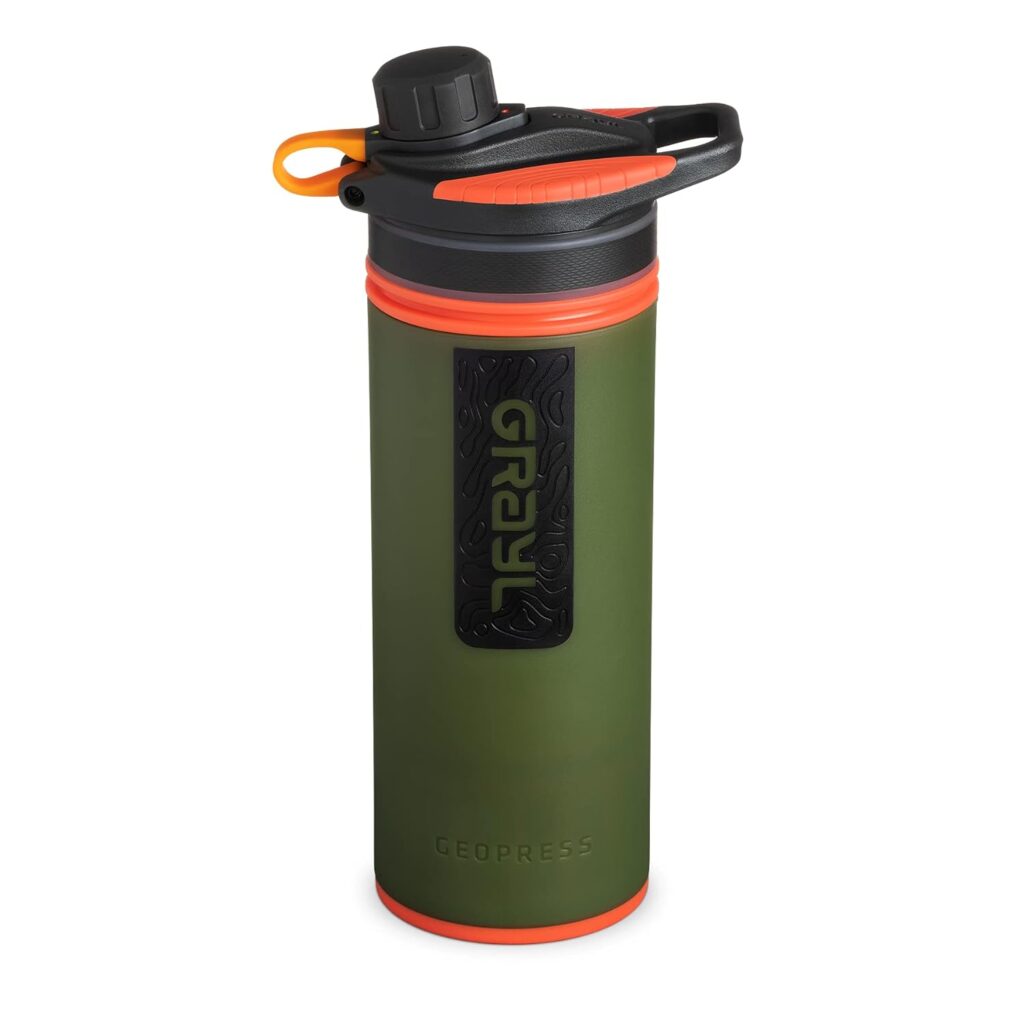
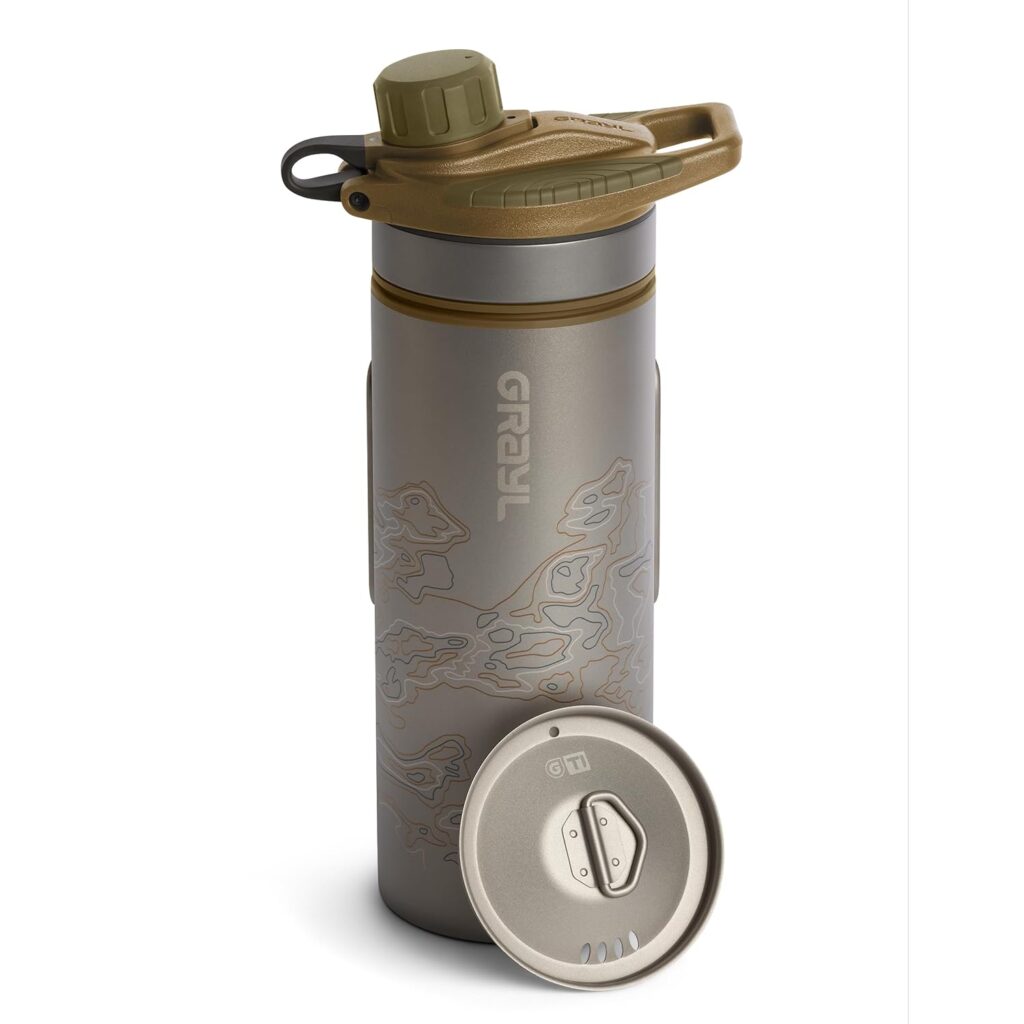
I recommend the GRAYL GeoPress Titanium 24 oz Water Purifier Bottle
What to Look for When Selecting Water Purification (And Why It Matters)
1. Effective Against Common Contaminants
Your purification method should be able to eliminate or neutralize bacteria, protozoa, and ideally viruses. Most natural water sources can contain harmful organisms like Giardia, E. coli, or Cryptosporidium, which can cause serious illness. Look for products that meet EPA or NSF standards for microbiological purification.
2. Lightweight and Compact
Bug-out bags should be light and easy to carry. Your water purification method must be compact enough to fit in your kit without adding bulk, and light enough not to slow you down during travel.
3. Easy to Use in the Field
When you’re under stress or on the move, simplicity matters. Choose a purification method that’s quick and straightforward to operate — no complicated setup, electricity, or fine motor skills required. In cold weather or at night, you won’t want to fumble with fragile components or confusing instructions.
4. No Power Required
Relying on electricity or batteries is risky in long-term emergencies. Your main water purification method should work manually or chemically — such as mechanical filters, gravity filters, boiling, or purification tablets — so it functions even when the power grid is down.
5. Long-Lasting and Reusable
Look for methods that can treat hundreds to thousands of liters of water without needing constant replacement. Products like the Sawyer Mini or LifeStraw can last through extended crises, while purification tablets are single-use and better as a backup.
6. Backup Options Are Available
No system is perfect, so you should plan to carry at least one backup method. For example, combine a portable water filter with chemical tablets or the ability to boil water. This adds redundancy in case one method fails, breaks, or is lost.
7. Fast Processing Time
Some purification methods — like tablets — require 30 minutes to 4 hours to work, depending on the water’s clarity and temperature. While still useful, you may want to prioritize filters that provide immediate access to clean water when speed is critical.
8. Minimal Maintenance
Your method should require little to no maintenance in the field. Some filters need backflushing or occasional cleaning, which is manageable if simple. Avoid overly delicate or high-maintenance systems for your primary method.
9. Works in a Variety of Environments
Choose a method that works well with muddy, silty, or clear water. Some filters clog easily in dirty water, so pairing your purifier with a pre-filter or coffee filter can help extend its life. You want versatility, especially in unpredictable conditions.
Here’s a Full List of Water Purification Methods:
- Portable Water Filters
Removes bacteria and protozoa using mechanical filtration (e.g., Sawyer Mini, LifeStraw). - Pump Filters
Uses a hand pump to force water through a filter; effective and fast, but bulkier. - Gravity Filters
Uses gravity to pull water through a filtration system; good for groups or base camps. - Chemical Purification Tablets
Uses chlorine dioxide or iodine to kill bacteria, viruses, and protozoa; lightweight backup method. - UV Light Purifiers
Uses ultraviolet light to destroy microorganisms (e.g., SteriPEN); requires batteries. - Boiling Water
Boiling water for at least 1 minute (or 3 minutes at higher altitudes) kills all pathogens. - Distillation (Advanced/Last Resort)
Requires special setup; removes most contaminants, including salt and heavy metals.
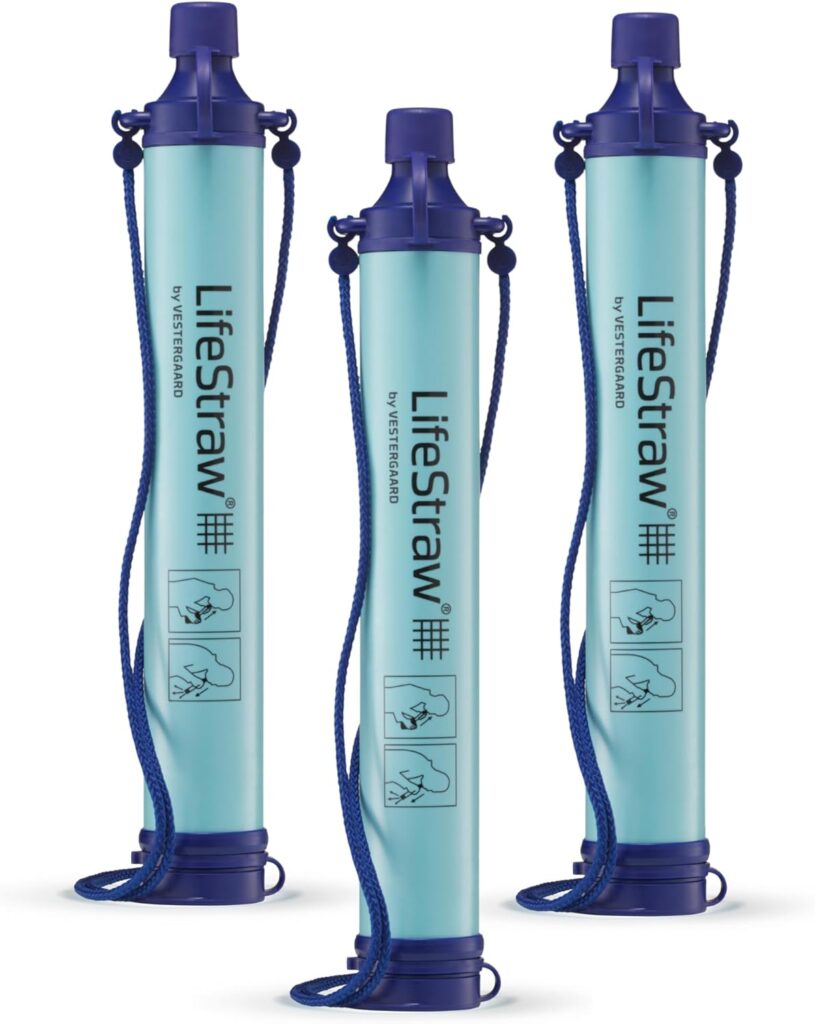
I recommend the LifeStraw Personal Water Filter
5. Food
Good quality food is crucial in a bug-out bag because it provides the energy and mental clarity needed to function in high-stress, physically demanding survival situations. In an emergency, your body burns more calories than usual, especially if you’re walking long distances, dealing with harsh weather, or performing manual tasks. Food that is calorie-dense, lightweight, shelf-stable, and easy to prepare ensures you can stay nourished without weighing down your pack or requiring elaborate cooking setups. Poor-quality or insufficient food can lead to fatigue, irritability, and impaired decision-making — all of which reduce your chances of survival. The right food keeps you fueled, focused, and functioning when it matters most.
What to Look for When Selecting Food for a Bug-Out Bag (And Why It Matters)
1. Long Shelf Life
Choose foods that can last months or years without refrigeration. In a survival scenario, you won’t have access to a fridge, so shelf-stable items reduce the risk of spoilage and waste.
2. Lightweight and Compact
Every ounce in your pack matters. Look for food that is calorie-dense but lightweight and low-bulk, such as dehydrated meals, energy bars, or vacuum-sealed snacks. Avoid heavy canned goods unless you’re in a vehicle-based setup.
3. High Calorie-to-Weight Ratio
Your body needs fuel — especially under stress. Aim for foods that provide at least 100–150 calories per ounce to maximize energy without adding weight. Fat- and protein-rich foods are particularly valuable for sustained energy.
4. Ready to Eat or Minimal Prep Required
In an emergency, you may not have time or resources to cook. Focus on foods that are ready to eat or require minimal water and heat. MREs, protein bars, and freeze-dried meals with simple rehydration are ideal.
5. No Special Storage or Equipment Needed
Avoid items that require refrigeration, special cookware, or long prep times. The goal is to have food you can eat on the move or with basic gear, such as a pot and a heat source.
6. Nutritionally Balanced
While calories are important, you also need a mix of protein, fats, and carbohydrates to maintain stamina, brain function, and overall health. A diet of just sugar or carbs may leave you crashing fast.
7. Familiar and Digestible Foods
Emergency situations aren’t the time to test unfamiliar food. Stick with items you know your body tolerates well to avoid digestive issues. Simple, bland or mild foods are better under stress.
8. Individual Packaging
Individually wrapped or portioned foods stay fresh longer and are easier to ration. They also prevent cross-contamination and reduce waste compared to large bulk packages.
9. Quiet and Odorless (Optional)
In some situations, especially if you’re trying to stay hidden, avoid food with strong smells or noisy packaging that could draw unwanted attention.
10. Low Water Requirements (If Needed)
If your water supply is limited, avoid foods that require a lot of water to rehydrate. Have a balance of ready-to-eat and rehydratable items, depending on your water purification capacity.
Ideal Food Types for a Bug-Out Bag
- Energy bars and protein bars – High calorie, compact, and ready to eat
- Trail mix and nuts – Excellent calorie-to-weight ratio with fats, protein, and carbs
- Beef jerky or dried meat – Lightweight, high in protein, long shelf life
- Peanut butter (single-serve packets or small jar) – High in calories and fats, easy to store
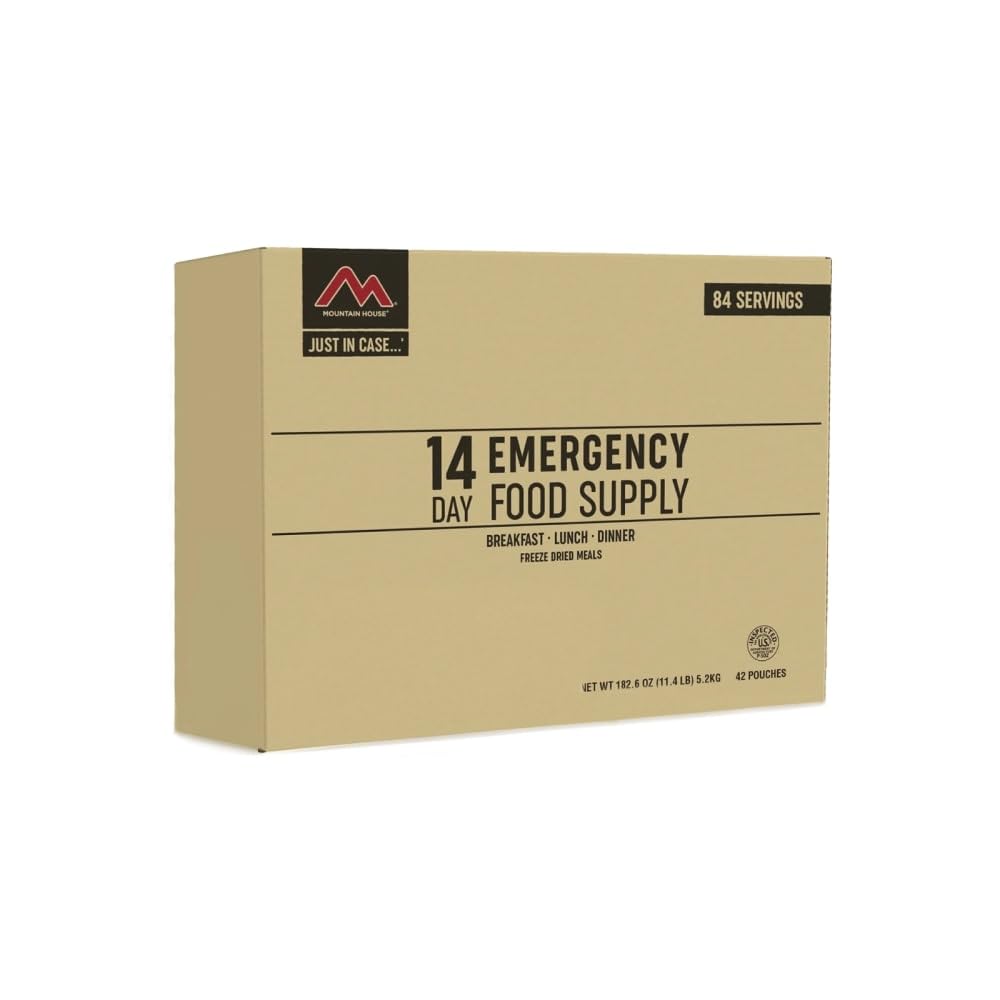
- Freeze-dried meals – Lightweight and compact; just add hot water
- Instant oatmeal packets – Quick to prepare and energy-dense
- Ramen noodles or instant soups – Lightweight, filling, and easy to cook with hot water
- Tuna or chicken packets (foil pouches) – Better than cans, with good protein content
- Hard crackers (vacuum-sealed if possible) – Long-lasting and great with spreads
- Dehydrated fruit – Lightweight source of natural sugar and fiber
- MREs (Meals Ready to Eat) – Self-contained meals with heaters, designed for emergencies
- Electrolyte drink mixes or tablets – Help with hydration and energy
- Granola or cereal bars – Good for quick energy and snacking
- Instant coffee or tea – Boosts morale and alertness with minimal weight
- Sugar, honey sticks, or hard candy – Quick energy and mood booster
- Vacuum-sealed rice or pasta meals – Shelf-stable and easy to boil if water is available
- Survival food rations (like Datrex or SOS bars) – Compact and designed for long-term shelf life
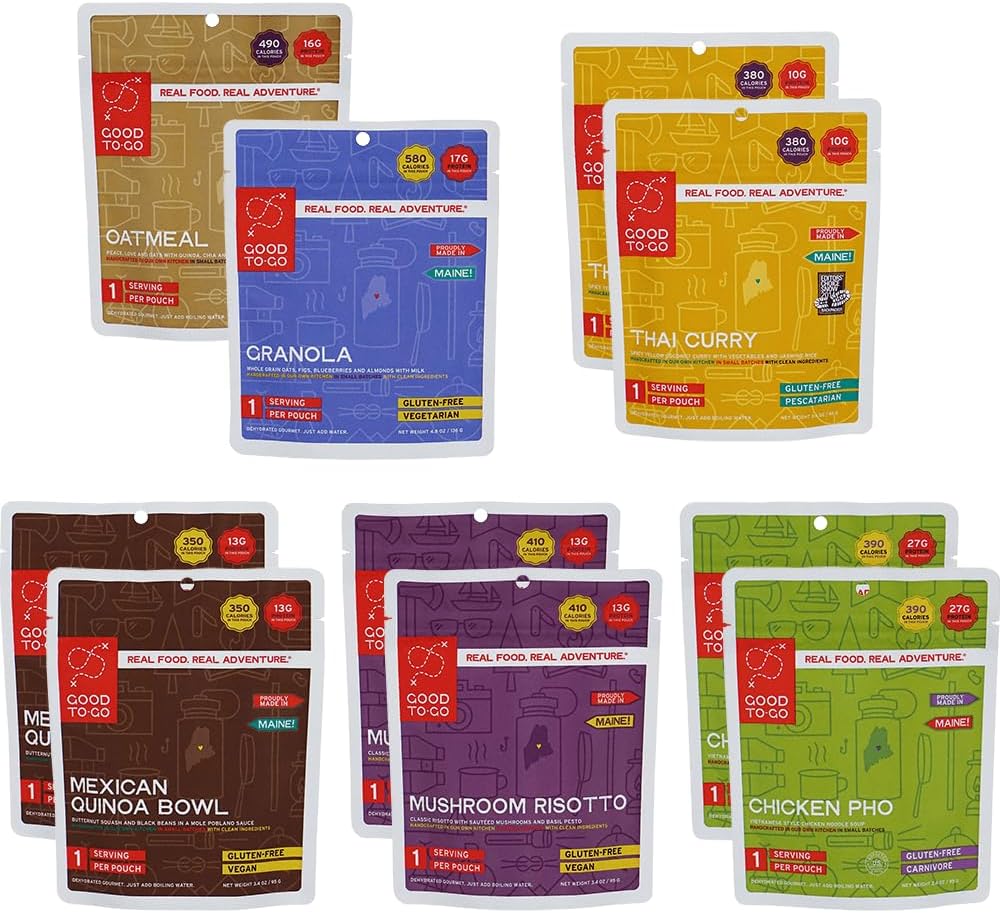
I recommend the GOOD TO-GO Food Kit
6. Fire
Fire is a crucial component of any bug-out bag because it serves multiple life-saving purposes in a survival situation. It provides warmth, which is essential for preventing hypothermia in cold or wet conditions, and allows you to boil water for purification, ensuring a safe drinking supply. Fire is also vital for cooking food, increasing its digestibility and morale-boosting value, and can be used to signal for help in an emergency. Additionally, fire offers psychological comfort, reducing fear and boosting mental resilience in stressful situations. Without a reliable way to start and maintain a fire, your ability to survive harsh environments becomes significantly compromised.
What to Look for When Selecting Fire-Starting Methods (And Why It Matters)
1. Reliability in All Weather Conditions
Choose fire-starting tools that work in wet, windy, or cold environments. In a real emergency, you won’t always have dry wood or calm weather. Ferro rods, stormproof matches, and waterproof lighters are reliable even in harsh conditions.
2. Redundancy (Multiple Methods)
Pack at least two to three fire-starting tools: a lighter, a ferro rod, and matches, for example. If one fails or gets lost, you have a backup.
3. Ease of Use Under Stress
Choose fire-starting tools that are easy to use even with cold, wet, or shaking hands. Simple tools like Bic lighters or large ferro rods are more manageable than small or complicated gear.
4. Long Lifespan or Multiple Uses
Look for tools that can start dozens to thousands of fires, like ferrocerium rods or refillable lighters.
5. Compact and Lightweight
Fire-starting tools should be small enough to carry easily, with little weight added to your bag. Many good fire tools weigh just a few ounces and take up minimal space.
6. Tinder Source or Ignition Aid
Include a tinder source in your kit, like cotton balls with petroleum jelly, waxed jute rope, or commercial fire starters. Some tools come with built-in tinder.
7. Waterproof or Water-Resistant Storage
Keep your fire-starting tools in a sealed, waterproof container or bag to prevent moisture from rendering them useless.
8. Non-Fuel Dependent Option
Include at least one fire-starting method that doesn’t rely on fuel, like a ferro rod or fire piston.
Full List of Fire-Starting Methods
- Butane lighter (e.g., Bic lighter) – Reliable, compact, and easy to use
- Waterproof or stormproof matches – Ignite even in wind and rain
- Ferrocerium (ferro) rod and striker – Long-lasting and works when wet
- Magnesium fire starter – Shaves off flammable magnesium to ignite with a spark
- Fire piston – Uses air compression to ignite tinder (advanced option)
- Flint and steel – Traditional method using sparks to light char cloth or dry tinder
- Electronic arc lighter (USB rechargeable) – Windproof and flameless ignition
- Char cloth or char rope – Pre-charred material that ignites easily with sparks
- Cotton balls with petroleum jelly – Cheap, easy-to-make tinder that lights quickly
- Commercial tinder (e.g., WetFire, Tinder-Quik) – Waterproof and reliable in bad conditions
- Fatwood or resin-rich wood sticks – Naturally flammable and long-burning
- Lighter cubes or waxed fire starters – Compact and great for wet environments
- Dryer lint (stored in a waterproof bag) – Lightweight and effective tinder
- Solar fire starter (e.g., Fresnel lens or parabolic mirror) – Uses sunlight to ignite tinder (backup for sunny conditions)
- Battery and steel wool – Emergency method using common electronics
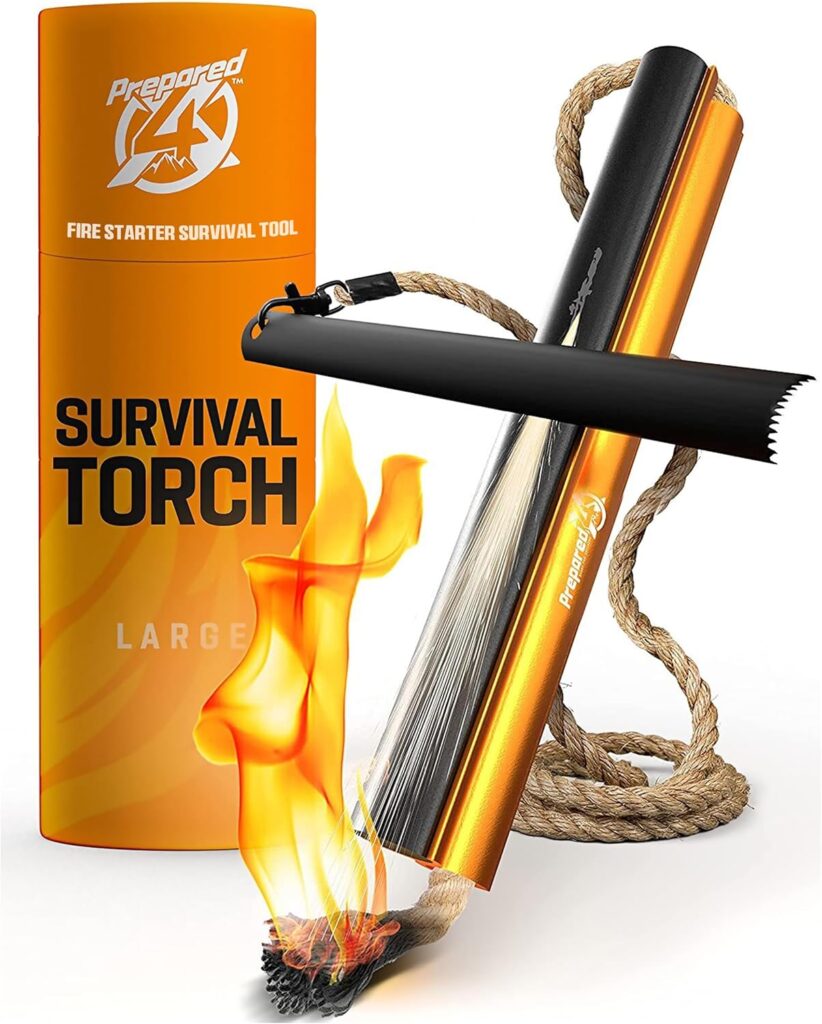
I recommend the Bayite 4 Inch Survival Ferro

7. First Aid Kit
A good quality first aid kit is crucial for a bug-out bag because injuries in a survival situation can quickly become life-threatening if not treated properly and promptly. Whether it’s a deep cut, a burn, a sprained ankle, or an infection, medical issues can impair your mobility, lower your ability to think clearly, and make it harder to complete even basic survival tasks. A well-equipped first aid kit gives you the tools to manage wounds, control bleeding, reduce pain, and prevent minor injuries from escalating into serious problems. In an emergency, you may not have access to medical help for hours or even days, so your kit must be comprehensive, reliable, and tailored to your environment and needs.
What to Look for When Selecting a First Aid Kit (And Why It Matters)
1. Comprehensive Supply Range
A good bug-out bag first aid kit should cover a wide range of injuries, including cuts, burns, sprains, blisters, infections, and trauma. Look for kits that include bandages, gauze, antiseptics, pain relievers, burn treatment, and basic tools like tweezers and scissors.
Why it matters:
In an emergency, you might be on your own for days. Your kit should allow you to treat both minor and moderate injuries without outside help.
2. Trauma Capabilities
Include or upgrade to trauma-specific items such as a tourniquet, chest seals, compression bandages, and hemostatic agents.
Why it matters:
Severe bleeding is a leading cause of preventable death in emergencies. Trauma gear can save lives during accidents, attacks, or natural disasters.
3. Compact and Lightweight Design
The kit should be small and light enough to fit in your bag without adding bulk but still large enough to carry essentials.
Why it matters:
Your bug-out bag needs to stay mobile. A heavy or bulky kit can slow you down or take space from other critical gear.
4. Durable, Weather-Resistant Case
Choose a first aid kit with a waterproof or weather-resistant case to protect supplies from rain, moisture, and impact.
Why it matters:
Wet or damaged medical gear is useless. A sturdy case ensures your supplies stay clean, dry, and ready to use.
5. Clearly Labeled and Organized Contents
Kits with labeled compartments or color-coded pouches make it easier to find what you need quickly, even in stressful or low-light situations.
Why it matters:
When seconds count, you don’t want to dig through a disorganized pouch trying to find a bandage or tourniquet.
6. Includes Medications and Topicals
Look for kits that contain or make room for over-the-counter meds like ibuprofen, antihistamines, anti-diarrheals, and antibiotic ointments.
Why it matters:
Minor issues like pain, allergies, or gastrointestinal distress can become major problems when you’re on the move. Medications help manage symptoms and keep you operational.
7. Customizable or Modular Layout
Select a kit that allows you to add, remove, or upgrade supplies based on your environment, skill level, and medical needs.
Why it matters:
No pre-made kit fits every user or scenario. The ability to personalize your kit ensures you’re prepared for your specific risks.
8. Gloves and PPE (Personal Protective Equipment)
Make sure the kit includes nitrile gloves, a CPR mask, and possibly a face shield to prevent contamination and infection.
Why it matters:
Infection control is critical — for both you and anyone you’re treating. Gloves protect both patient and responder.
9. Instruction Manual or Quick Reference Guide
A first aid manual or reference card is especially helpful if you’re not medically trained.
Why it matters:
Under stress, it’s easy to forget procedures. A guide can help walk you through critical steps, even if you’re panicked or inexperienced.
10. Expiration Awareness
Keep an eye on the expiration dates of medications, ointments, and sterile items.
Why it matters:
Expired medical supplies may be ineffective or dangerous. Choose kits with long shelf lives and maintain a regular rotation schedule.
Here’s a Full List of All Essential Medical Items That Should be Included in Your First Aid Kit:
- Adhesive bandages (various sizes) – For small cuts, scrapes, and blisters
- Sterile gauze pads and rolls – For dressing larger wounds and controlling bleeding
- Medical tape – Secures bandages and dressings
- Antiseptic wipes – Cleans wounds and prevents infection
- Antibiotic ointment (e.g., Neosporin) – Promotes healing and reduces infection risk
- Alcohol prep pads – Sterilize tools or clean small areas of skin
- Hydrocortisone cream – For itching, rashes, and insect bites
- Burn gel or burn dressing – Treats minor burns and scalds
- Elastic bandage (ACE wrap) – For sprains, strains, or joint support
- Tweezers – For removing splinters, ticks, or debris
- Scissors or trauma shears – Cutting tape, clothing, or gauze
- Nitrile gloves (2–4 pairs) – Prevent contamination during treatment
- CPR mask or face shield – For safe resuscitation
- Digital thermometer – Monitor for fever or illness
- Instant cold pack – Reduces swelling and inflammation
- Eye wash or saline solution – Flushes debris or irritants from eyes
- Tourniquet – Controls severe limb bleeding (trauma care)
- Hemostatic gauze or clotting agent – Promotes rapid blood clotting in deep wounds
- Chest seal (vented or non-vented) – Treats penetrating chest injuries (advanced trauma)
- Medical face mask – For hygiene or protecting others during illness
- Pain relievers (ibuprofen, acetaminophen) – Reduces pain and inflammation
- Antihistamines (e.g., Benadryl) – Treats allergic reactions
- Anti-diarrheal tablets (e.g., Imodium) – Prevents dehydration from gastrointestinal issues
- Electrolyte tablets or powder – Replenishes essential minerals after exertion or illness
- Prescription medications (personal use) – Any required daily medications (in labeled containers)
- First aid manual or quick reference card – Helps guide treatment under stress
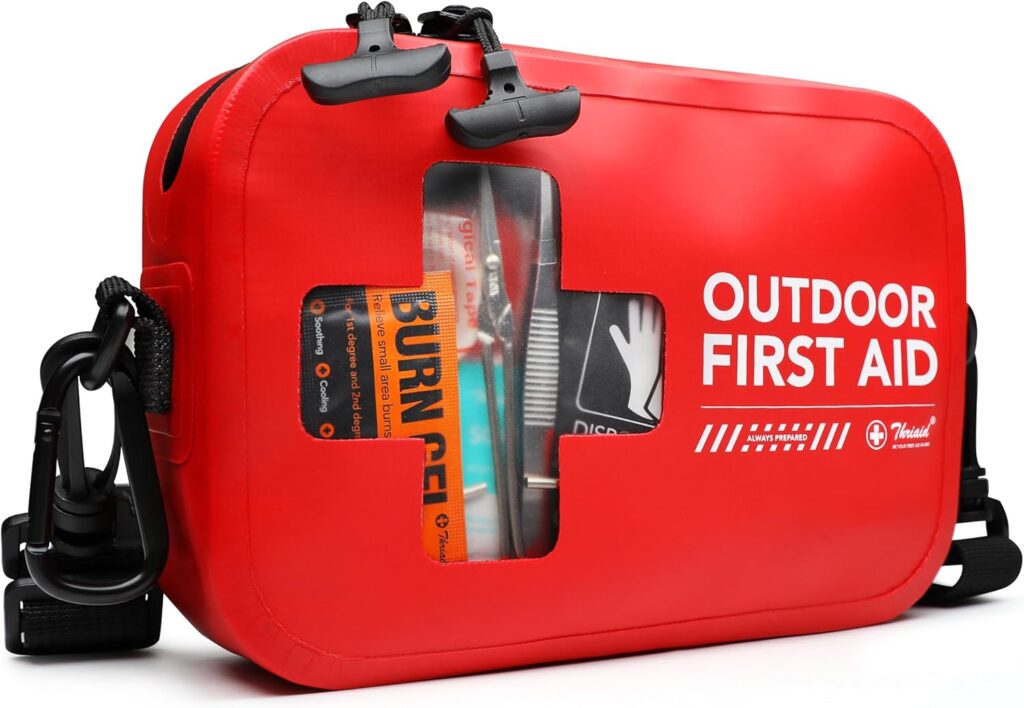
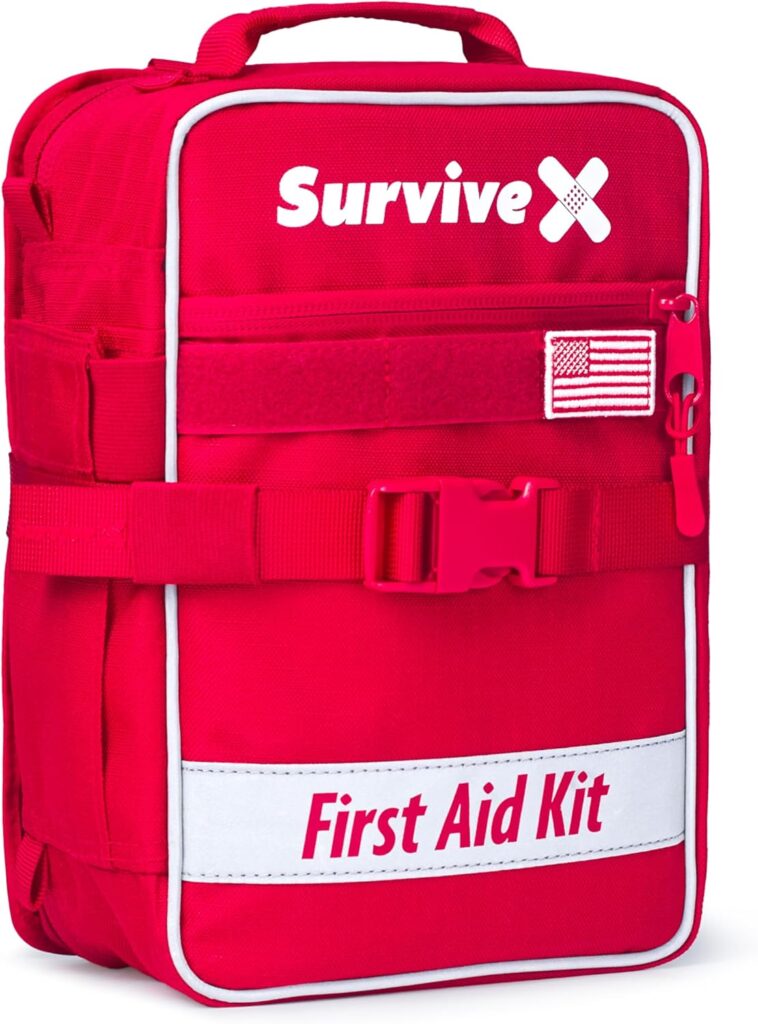
I recommend the Survive X first aid kit
8. Tools
Good quality tools are crucial in a bug-out bag because they enable you to perform essential survival tasks such as building shelter, processing firewood, making repairs, preparing food, and even defending yourself if necessary. In a high-stress emergency, low-quality or unreliable tools can fail when you need them most — turning a manageable situation into a dangerous one. A sturdy knife, multi-tool, or compact saw made from durable materials can be the difference between efficiency and vulnerability. Survival often comes down to resourcefulness, and quality tools give you the confidence and capability to adapt, improvise, and overcome challenges in the field.
What to Look for When Selecting Tools for a Bug-Out Bag (And Why It Matters)
1. Multi-Functionality
Choose tools that serve multiple purposes to save space and weight in your pack. A good multi-tool can combine pliers, screwdrivers, a knife, saw, can opener, and more.
Why it matters:
The more functions your tool offers, the fewer individual items you need to carry — which means a lighter, more efficient bug-out bag.
2. Durable, High-Quality Materials
Look for tools made from stainless steel, carbon steel, or other high-strength materials that resist rust and breakage.
Why it matters:
Cheap or flimsy tools are prone to failure when put to real use. Quality materials ensure your tools can handle stress, repeated use, and rough conditions.
3. Compact and Lightweight Design
Your tools should be easy to carry and store without taking up excessive space or adding unnecessary weight.
Why it matters:
In a bug-out situation, mobility is critical. Heavy or bulky tools can slow you down or lead to early fatigue.
4. Ergonomics and Ease of Use
Choose tools with comfortable grips and intuitive operation, especially for your knife and multi-tool.
Why it matters:
If a tool is hard to handle — especially in the cold or under stress — it becomes a liability. Good ergonomics reduce the risk of injury and make tasks easier.
5. Blade Quality (for Knives and Cutting Tools)
If your tool includes a knife, it should have a strong, sharp, full-tang blade that holds an edge well and resists breaking.
Why it matters:
A knife is one of the most important tools in your kit. Whether you’re processing firewood, cutting cordage, or preparing food, you need a blade you can trust.
6. Essential Survival Features
Focus on tools that help with fire, shelter, food, and repair. At minimum, your kit should include:
- Fixed-blade knife or strong folding knife
- Multi-tool with pliers, screwdrivers, saw, etc.
- Folding saw or wire saw
- Compact shovel or entrenching tool (optional but useful)
- Small pry bar or crowbar (for urban survival)
Why it matters:
These tools cover the most critical survival tasks — from building shelter to accessing locked areas in an urban environment.
7. Low Maintenance and Rust Resistance
Select tools that require minimal upkeep and can resist corrosion, especially if you’re in a humid or wet environment.
Why it matters:
If you don’t have time or resources to maintain your tools, they should still function reliably when needed.
8. Secure Sheaths or Carry Options
Knives and other sharp tools should come with protective sheaths or secure pouches to prevent injury or gear damage.
Why it matters:
Loose or unprotected tools can be dangerous and may cause accidents in your pack or while you’re moving.
9. Proven Brands or Field-Tested Designs
When possible, go with tools that are field-tested by outdoorsmen, military, or survival experts, or from trusted brands with a track record of reliability.
Why it matters:
In survival, you don’t want to guess. Tools with proven performance give you confidence under pressure.
Essential Tools to Include in a Bug-Out Bag
- Fixed-blade survival knife – For cutting, food prep, self-defense, and bushcraft
- Folding knife or backup blade – Secondary cutting tool or EDC option
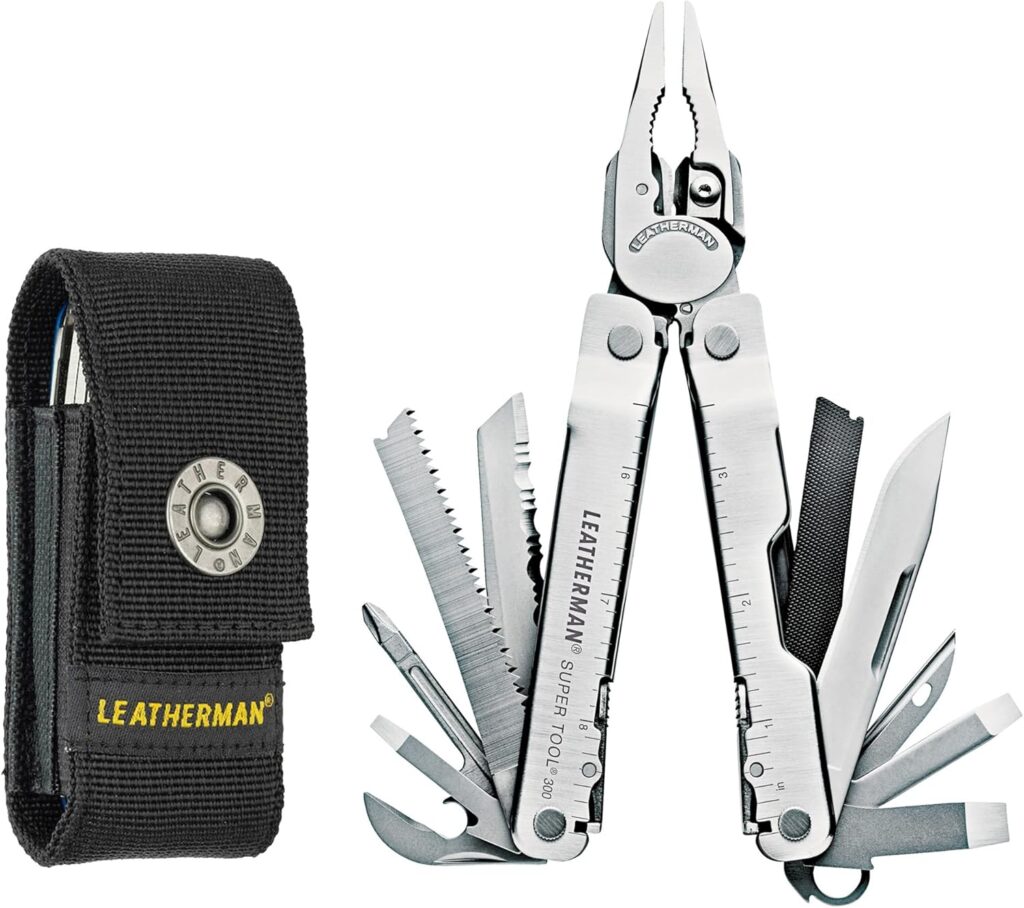
- Multi-tool (with pliers, screwdriver, can opener, etc.) – All-in-one functionality for repairs and small tasks
- Folding saw or wire saw – For cutting firewood, clearing brush, or building shelter
- Fire starter (ferro rod or magnesium striker) – Reliable spark source that works in any weather
- Compact sharpening tool or stone – Keeps blades sharp and functional over time
- Paracord (50–100 feet) – Multi-use cord for shelter, repairs, traps, and more
- Duct tape (mini roll) – Quick fixes for gear, clothing, shelter, or wounds
- Headlamp or flashlight (with extra batteries) – Hands-free lighting for navigation and night tasks
- Hand-crank or solar emergency radio – For weather alerts and communication
- Compass and local map – Reliable navigation if GPS fails
- Small pry bar or crowbar – Useful in urban environments for entry or rescue
- Compact shovel or entrenching tool – Digging latrines, trenches, or fire pits
- Notepad and pen/pencil – For taking notes, leaving messages, or recording events
- Whistle – Signaling for help or warning others
- Zip ties or gear ties – Quick and strong fastening option for improvised fixes
- Carabiners or gear clips – Attach gear to your pack or hang items when needed
- Sewing kit (needles, thread, safety pins) – Emergency clothing or gear repairs
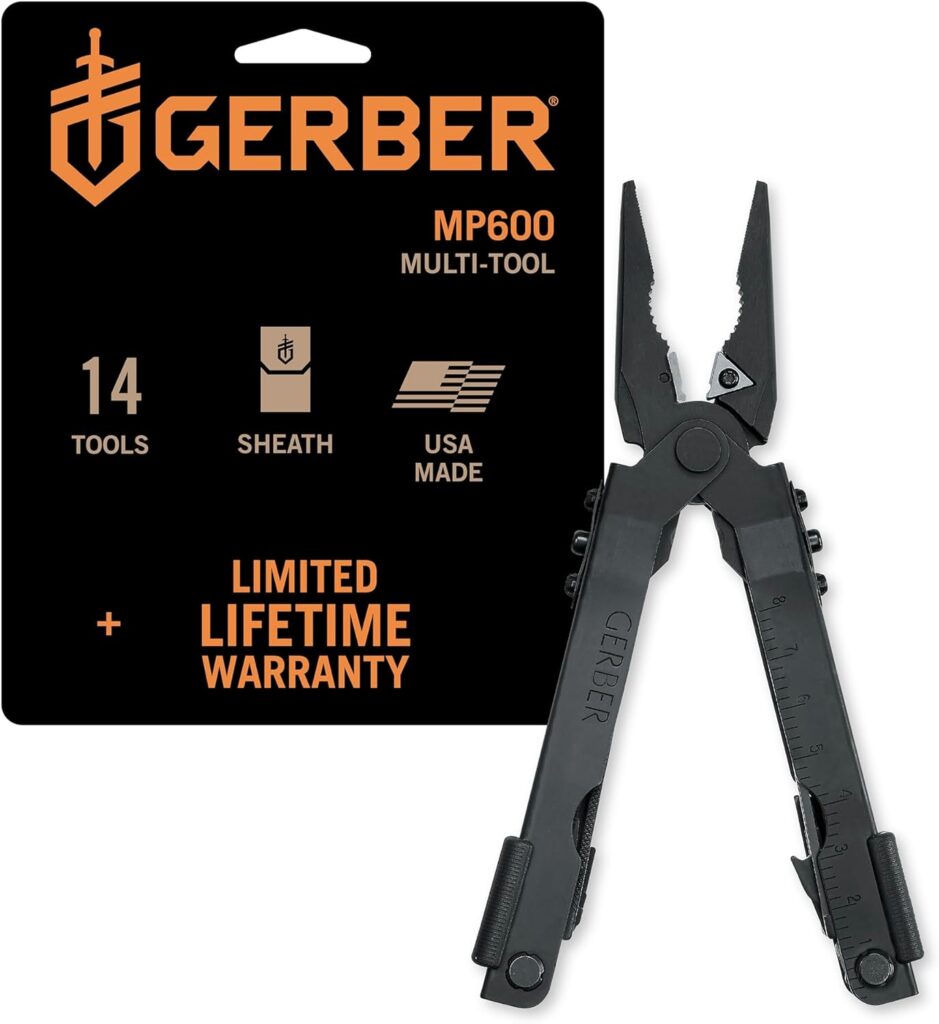
I recommend the Gerber Gear Multi-Plier 600
9. Lighting
Lighting is a crucial component of a bug-out bag because it ensures you can safely navigate, work, and respond to emergencies in low-light or nighttime conditions. Whether you’re setting up camp, treating an injury, reading a map, or signaling for help, reliable lighting improves both your safety and efficiency. In a disaster scenario, power outages are common, and relying solely on natural light isn’t practical or safe. Good lighting also helps you avoid hazards like sharp debris, wildlife, or uneven terrain. Without it, even simple tasks become difficult and dangerous, increasing your vulnerability when you can least afford it.
What to Look for When Selecting Lighting for a Bug-Out Bag (And Why It Matters)
1. Hands-Free Capability (Headlamp Preferred)
Choose a headlamp as your primary light source so you can keep your hands free for important tasks like building shelter, treating injuries, or navigating rough terrain.
Why it matters:
Hands-free lighting increases efficiency, safety, and mobility — especially in high-stress or low-visibility conditions.
2. Multiple Brightness Modes
Look for a light with adjustable brightness levels (e.g., low, medium, high) and modes like strobe or red light for tactical or signaling purposes.
Why it matters:
Lower brightness conserves battery life, red light preserves night vision, and strobe mode can be used to signal for help.
3. Long Battery Life and Efficient Power Use
Select lighting tools with efficient power consumption, especially at lower settings. Aim for lights that offer 20–100+ hours of runtime on low mode.
Why it matters:
You may not have regular access to spare batteries or charging options in a bug-out scenario. The longer it lasts, the better.
4. Rechargeable or Dual Power Options
Opt for lights that are USB-rechargeable, or that use both rechargeable batteries and standard AA/AAA batteries. Solar and hand-crank charging features are also helpful.
Why it matters:
Versatility in power sources gives you more options for keeping your light functional in extended off-grid conditions.
5. Water and Impact Resistance
Your light should be weatherproof and rugged enough to handle rain, drops, and rough handling. Look for models with at least IPX4 (splashproof) or higher ratings for water resistance.
Why it matters:
A light that fails in rain, drops in a stream, or breaks when dropped is useless when you need it most.
6. Compact and Lightweight
Your light should be small enough to fit easily in your pack or pocket and light enough not to add unnecessary weight.
Why it matters:
Bug-out bags need to remain portable. Bulky or heavy lighting takes up space better used for other essentials.
7. Simple Operation
Choose a light with intuitive controls — ideally with one button or switch to cycle through modes — so you can operate it easily under stress or while wearing gloves.
Why it matters:
Complex multi-button setups can be frustrating and confusing during high-pressure situations.
8. Backup Lighting Sources
Always pack at least one backup light, such as a mini flashlight, glow sticks, or keychain LED, in case your main source fails or runs out of power.
Why it matters:
Redundancy is key in survival. A backup light ensures you’re never left in complete darkness.
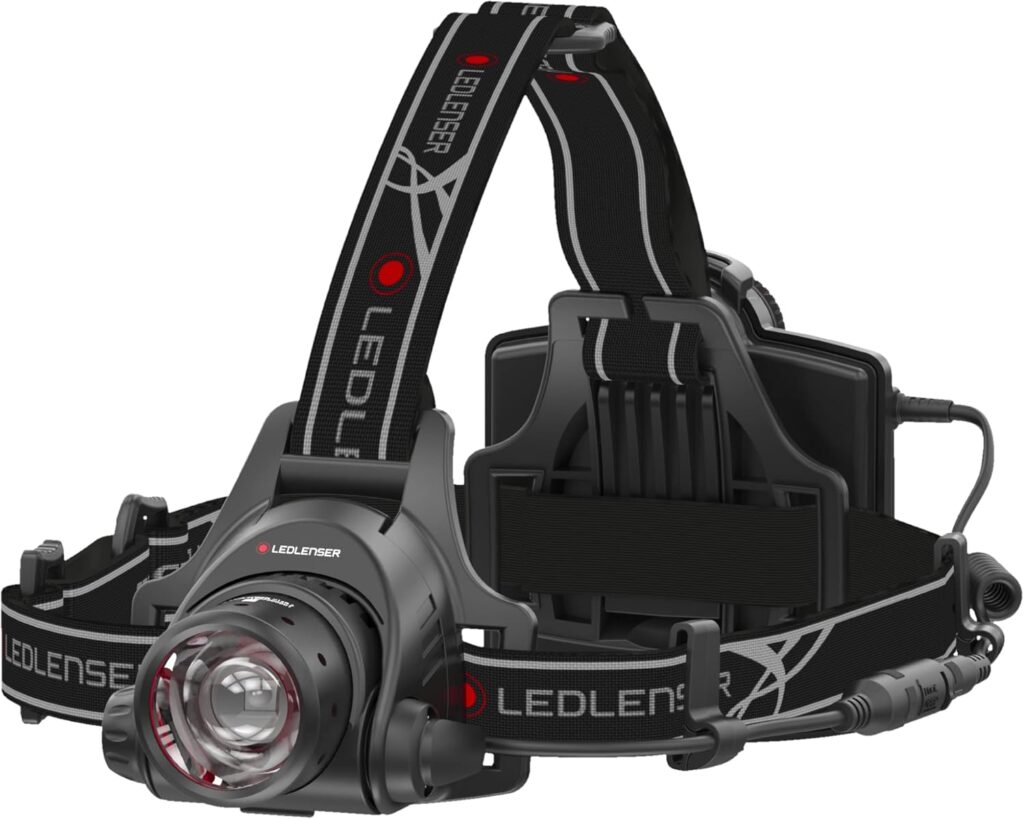
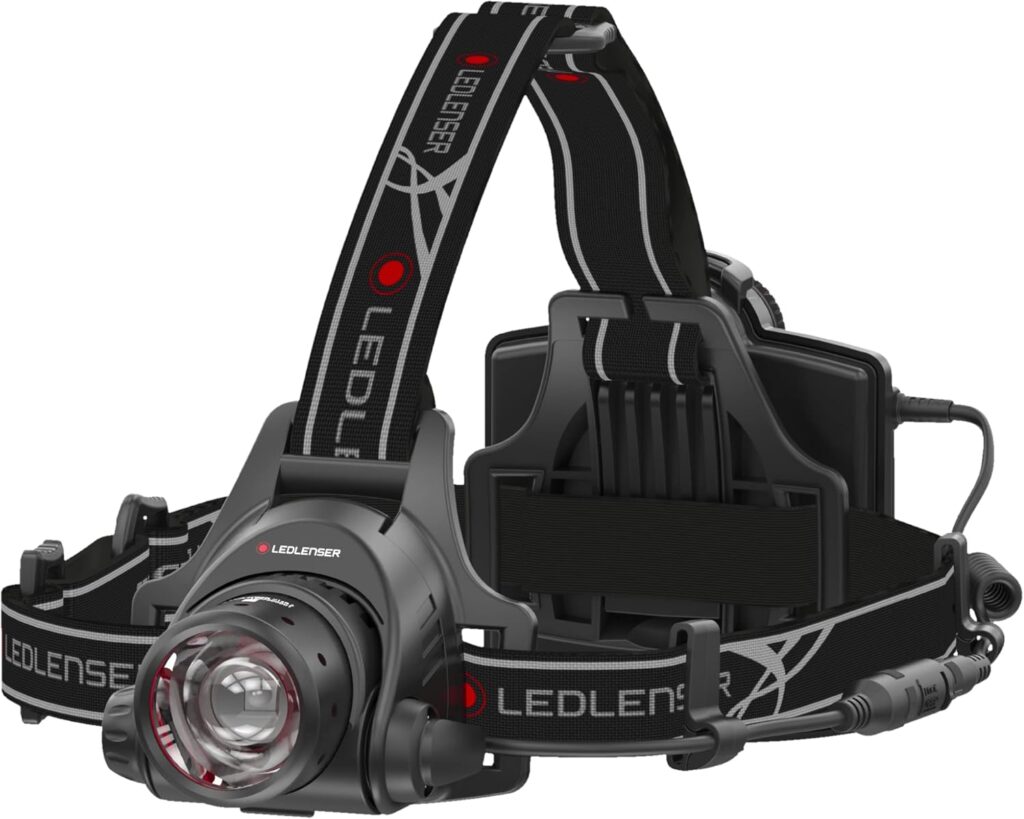
I recommend the Ledlenser, H14R.2 Rechargeable Headlamp
10. Navigation
Navigation is a crucial element of a bug-out bag because, in a crisis, your ability to reach safety may depend entirely on knowing where you are and where you’re going. Roads may be blocked, GPS devices may fail or lose signal, and familiar routes might become dangerous or inaccessible. Without reliable navigation tools, you risk getting lost, wasting time and energy, or walking into hazardous areas. A good map, compass, and basic navigation skills give you the independence to make informed decisions, avoid threats, and find alternate routes — even in unfamiliar terrain. In a true survival situation, knowing how to get from point A to point B can be the difference between escape and entrapment.
What to Look for When Selecting Navigation Methods (And Why It Matters)
1. Reliable Compass (Baseplate or Lensatic)
Choose a high-quality baseplate or lensatic compass that provides accurate directional readings and includes a sighting mirror, rotating bezel, and declination adjustment if possible.
Why it matters:
A compass never needs batteries or a signal and works in all environments. It helps you maintain direction and navigate using a map when GPS isn’t available.
2. Detailed Topographic Map of Your Area
Carry a physical map (preferably topographic) that shows terrain features, water sources, roads, trails, and elevation changes. Waterproof or laminated versions are best.
Why it matters:
GPS can fail, but a map gives you a full overview of your surroundings, helps you plan routes, and locate vital resources like rivers or high ground.
3. GPS Device (Optional but Useful)
A rugged handheld GPS unit or a smartphone with offline topographic maps can be extremely useful when combined with traditional methods. Make sure it’s water-resistant and has long battery life or solar charging.
Why it matters:
Digital navigation is convenient and precise, but it should never be your only method due to reliance on power and signal.
4. Knowledge of Basic Land Navigation Skills
No tool is useful if you don’t know how to use it. Learn how to read a map, take bearings, and triangulate your location using a compass.
Why it matters:
Having tools is only part of the equation. Knowing how to use them ensures you’re not just carrying dead weight in your pack.
5. Backup Navigation Tools
Include a second compass, small laminated map, or even a watch with a built-in compass as backups in case your primary tools are lost or damaged.
Why it matters:
Redundancy is essential. Navigation mistakes can cost time, energy, and even lives.
6. Weather and Light Considerations
Consider navigation tools that are usable in low light or wet conditions, such as maps with reflective ink or compasses with luminous markings.
Why it matters:
Emergencies don’t wait for daylight or clear skies. Your tools need to function in poor visibility or bad weather.
7. Durability and Waterproofing
Navigation tools should be rugged and weather-resistant. Maps should be laminated or stored in waterproof pouches, and digital tools should be shockproof and water-resistant.
Why it matters:
Delicate gear won’t survive real-world use. Tools must be able to take a beating and still function reliably.
All Navigation Methods & Tools:
- Baseplate compass – Lightweight, reliable, and essential for map navigation
- Lensatic (military-style) compass – Durable with improved accuracy for sighting bearings
- Topographic map (local and regional) – Shows terrain, elevation, water sources, and landmarks
- Printed road maps or atlas pages – Useful for urban, rural, and highway navigation
- Waterproof map case or ziplock bags – Protects maps from rain, mud, and wear
- Handheld GPS unit – Offers precise digital coordinates and route tracking
- Smartphone with offline map apps (e.g., Gaia GPS, Maps.me) – Convenient and detailed when power is available
- Solar charger or power bank – Keeps digital devices like GPS or smartphones powered
- Watch with compass feature (analog or digital) – Backup directional tool on your wrist
- Trail marker tape or biodegradable marking chalk – For marking paths or signaling directions
- Navigation notebook with coordinates and known routes – Pre-planned waypoints or rally points
- Pace counter beads or ranger beads – Helps track distance traveled while walking
- Sun and shadow method (natural navigation) – Using position of the sun and sticks to determine direction
- Stars (celestial navigation basics) – Using constellations like the North Star for directional orientation
- Altimeter (built into some watches or GPS devices) – Measures elevation for terrain-based navigation
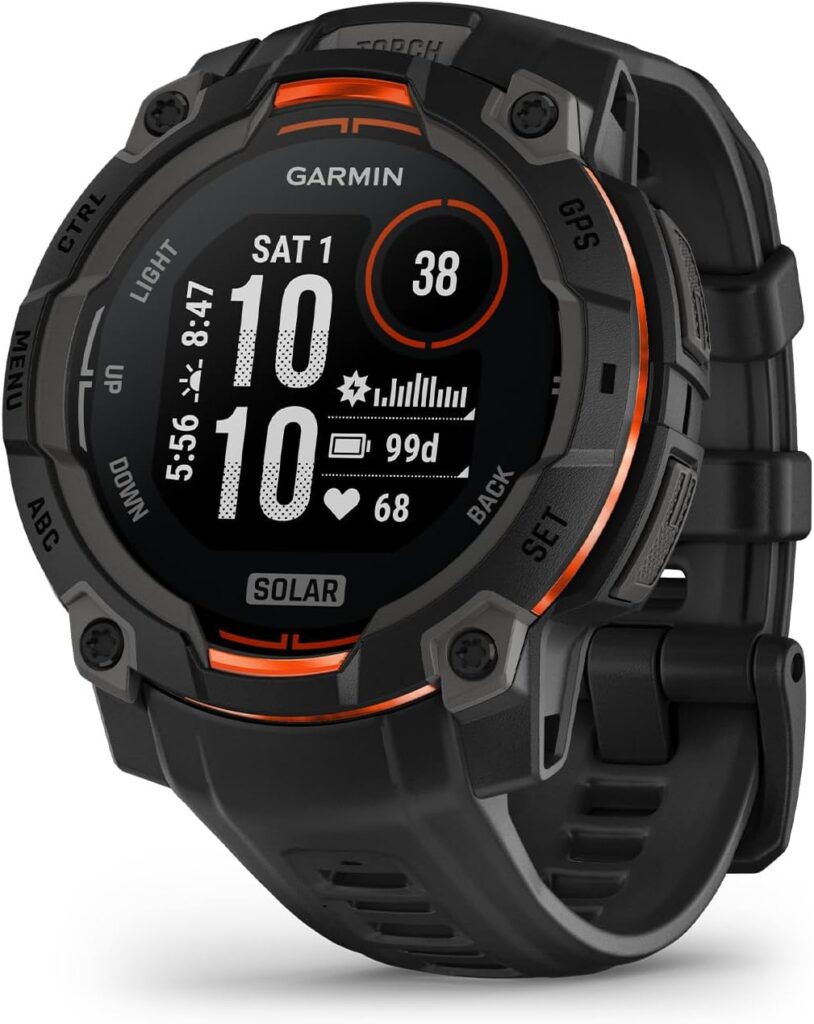
I recommend the Garmin Instinct® 3 45mm
11. Hygiene Items
Hygiene items are a crucial component of any bug-out bag because maintaining cleanliness in a survival situation directly impacts your health, comfort, and overall ability to function. Without proper hygiene, you increase the risk of infections, illness, and disease — especially from cuts, food contamination, or poor sanitation. Simple issues like dirty hands, untreated blisters, or lack of feminine care can quickly escalate into serious problems in the field. Hygiene also plays a vital role in morale; staying clean helps you feel human, focused, and mentally resilient during high-stress events. A compact hygiene kit ensures you can care for your body, prevent sickness, and maintain your ability to keep moving when it matters most.
What to Look for When Selecting Hygiene Items (And Why It Matters)
1. Compact and Lightweight Packaging
Choose hygiene products that are travel-sized or individually packed to minimize space and weight in your bag.
Why it matters:
Space is limited in a bug-out bag. Keeping your hygiene kit compact ensures you have the essentials without sacrificing room for more critical gear.
2. Multi-Purpose Items
Look for items that serve multiple hygiene or cleaning purposes, such as biodegradable soap that can be used for body, hands, dishes, or even laundry.
Why it matters:
Multi-use items reduce the number of individual products you need to carry, streamlining your load and increasing functionality.
3. Biodegradable and Environmentally Safe
Select soaps, wipes, and toothpaste that are biodegradable and non-toxic to avoid contaminating natural water sources.
Why it matters:
Keeping your environment clean and safe is critical, especially if you’re relying on local water or wildlife. It’s also a matter of responsible preparedness.
4. Odorless or Low-Scent Options
Avoid heavily scented hygiene items. Choose unscented or low-odor products that won’t attract wildlife or give away your position.
Why it matters:
Strong smells can alert animals or people to your location — a risk in both wilderness and urban survival situations.
5. Quick and Waterless Cleaning Options
Include alcohol-based hand sanitizer, dry shampoo, and wet wipes that work without water.
Why it matters:
You may not always have access to clean water, so these products let you stay clean even in dry environments or water-scarce conditions.
6. Essential Oral Care Supplies
Pack a toothbrush, toothpaste, and dental floss (preferably travel-sized). Floss can also double as emergency cordage.
Why it matters:
Neglecting oral hygiene can lead to painful infections or discomfort, which can impair your focus and performance over time.
7. Feminine Hygiene Products (If Applicable)
Include tampons, pads, or menstrual cups, and ensure they are stored in waterproof packaging.
Why it matters:
Feminine care is essential for health, hygiene, and comfort — not something to overlook in an emergency setup.
8. Basic Grooming Tools
Consider nail clippers, tweezers, and a small comb or brush to prevent irritation, ingrown nails, and maintain personal care.
Why it matters:
Even minor hygiene neglect can lead to infection or discomfort. These small tools help you stay clean and functional.
9. Waste Management Supplies
Pack toilet paper, compact tissues, or compressed wipes, along with plastic bags or a trowel for burying waste if needed.
Why it matters:
Proper waste disposal prevents contamination and disease, especially when camping or sheltering outdoors for extended periods.
10. First Aid Crossovers
Items like antibacterial ointment, antiseptic wipes, or petroleum jelly serve both hygiene and medical purposes.
Why it matters:
Dual-purpose items increase efficiency and help you stay prepared for both cleanliness and wound care.
Hygiene Items to Include in a Bug-Out Bag
- Toothbrush and travel-size toothpaste – For oral hygiene and preventing dental issues
- Floss (or dental picks) – Keeps teeth clean and doubles as emergency cordage
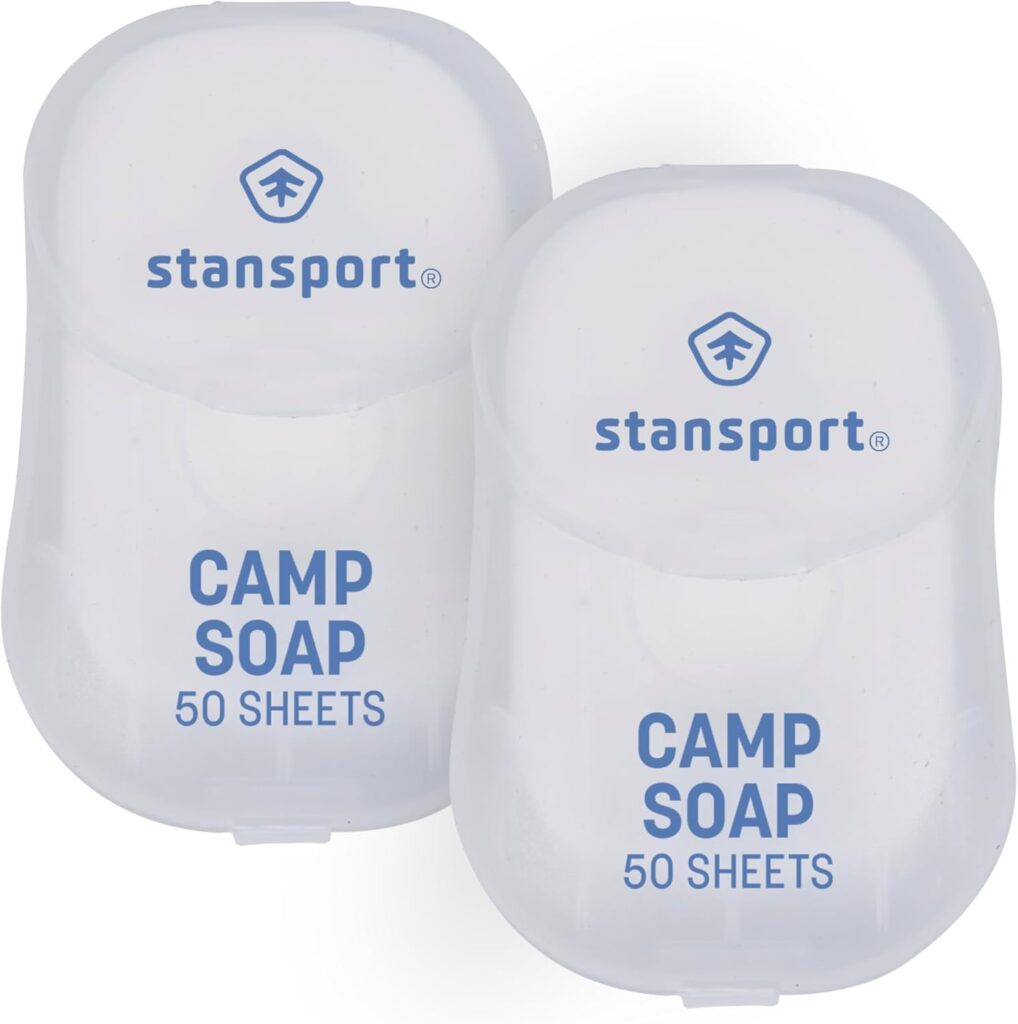
- Biodegradable soap – For hand, body, dish, and even laundry washing
- Alcohol-based hand sanitizer – Kills germs when soap and water aren’t available
- Unscented wet wipes or baby wipes – Quick, waterless cleaning for hands, body, and face
- Compact toilet paper roll or compressed tissue tablets – For bathroom needs or cleaning
- Feminine hygiene products (tampons, pads, or menstrual cup) – Crucial for comfort and sanitation
- Small towel or microfiber cloth – Fast drying, reusable for washing and drying
- Deodorant (travel-size or wipes) – Helps control odor and maintain morale
- Nail clippers – Prevent painful hangnails and reduce infection risk
- Tweezers – For splinters, ticks, or precision cleaning
- Lip balm (preferably with SPF) – Protects lips from cracking, wind, and sunburn
- Petroleum jelly or multi-use balm – Prevents chafing, soothes skin, and aids healing
- Toilet waste bags or trowel – For responsible waste disposal when outdoors
- Compact mirror – Useful for grooming and checking injuries
- Hairbrush or small comb – Keeps hair manageable and tangle-free
- Shaving supplies (optional) – Razor and small tube of shaving cream or soap
- Dry shampoo (optional) – Helps maintain clean hair without water
- Face mask or respirator (optional) – For hygiene and protection in dusty or crowded environments
12. Personal Documents
Including personal documents in your bug-out bag is crucial because they can prove your identity, provide access to resources, and help you navigate legal or logistical obstacles during an emergency. In a crisis—especially one involving evacuation, civil unrest, or displacement—you may need to cross borders, access medical care, apply for aid, or reclaim property. Having copies of essential documents like ID, passport, insurance policies, medical records, and emergency contacts can save valuable time and reduce stress when systems are down or records are inaccessible. Without them, you risk being delayed, denied services, or unable to prove ownership or citizenship when it matters most.
Personal Documents to Include in a Bug-Out Bag (and Why)
- Photocopy of government-issued ID (driver’s license, state ID, etc.)
Proves your identity if original documents are lost or stolen. - Passport (original or copy)
Essential for crossing borders or proving citizenship during evacuations. - Birth certificate (copy)
May be required for proving identity, age, or family relationships. - Social Security card or number (copy)
Needed for applying for aid, employment, or government services. - Medical records and prescriptions
Provides essential health history in case of injury, illness, or lost medications. - Immunization records
Can be important during pandemics or when entering shelters and certain countries. - Health insurance card (copy)
Ensures access to medical treatment and emergency care. - Homeowner’s or renter’s insurance policy (copy)
Needed for filing claims after disasters or damage to property. - Vehicle registration and insurance (copy)
Important if traveling by vehicle or dealing with law enforcement or checkpoints. - Marriage certificate and/or custody papers (if applicable)
Useful for verifying family relationships and guardianship rights. - Bank account information (masked or partial copies)
Helpful for accessing funds if systems are disrupted or accounts are frozen. - Emergency contact list
Ensures you can reach loved ones, even if phones or devices fail. - Important passwords or recovery codes (securely stored)
Allows access to essential online accounts if devices or memory fail. - List of medications, allergies, and medical conditions
Critical for emergency responders or healthcare providers. - Local maps and evacuation routes (paper copies)
Ensures navigation if digital tools fail. - Copies of deeds, titles, or legal documents (optional)
Useful for proving ownership or settling legal issues during long-term recovery.
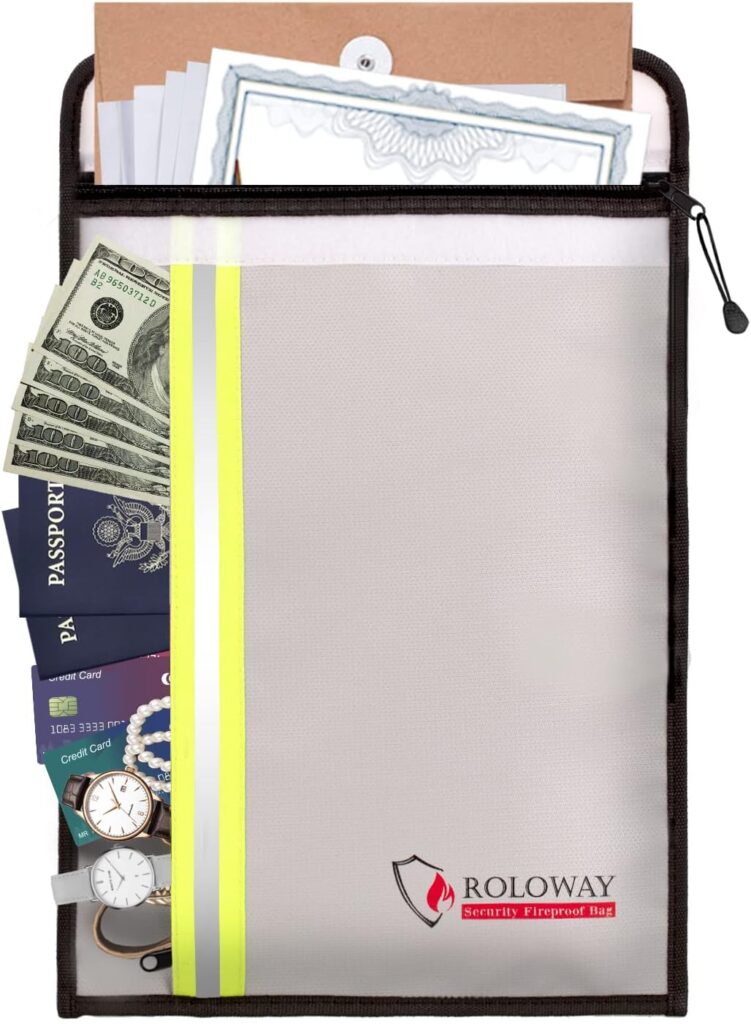
Tip: Store all paper documents in a waterproof pouch or laminated folder, and consider keeping digital copies on an encrypted USB drive as a secure backup.

13. Self-Defense
Self-defense items are a crucial part of any bug-out bag because, in a true emergency or disaster scenario, law enforcement and emergency services may be delayed or unavailable. During times of civil unrest, evacuation, or widespread panic, you could face threats from looters, desperate individuals, or wild animals. Having the means to protect yourself and your loved ones helps ensure your safety while traveling, securing shelter, or defending your supplies. Self-defense tools—whether lethal or non-lethal—act as both a physical deterrent and a psychological advantage, giving you the confidence to navigate high-risk situations. In survival, your ability to defend yourself can mean the difference between vulnerability and control.
What to Look for When Selecting Self-Defense Items (And Why It Matters)
1. Legality in Your Region
Before anything else, choose self-defense tools that are legal to carry and use in your area and any place you may travel through during an evacuation.
Why it matters:
Carrying a prohibited weapon—even in an emergency—can lead to arrest, fines, or confiscation of your gear when you need it most.
2. Ease of Use Under Stress
Select tools that are simple to deploy and operate, even when you’re under pressure, scared, or physically impaired. Practice with them ahead of time.
Why it matters:
Fine motor skills deteriorate in high-stress situations. Complicated or unfamiliar tools are likely to fail when seconds count.
3. Portability and Weight
Your self-defense items should be compact and lightweight, so they don’t burden your pack or restrict your mobility.
Why it matters:
Bug-out bags must be mobile. Heavy or bulky weapons can slow you down or make you a target.
4. Range (Close vs. Distance)
Include a mix of close-range (e.g., knife) and mid-range (e.g., pepper spray or baton) options, if possible.
Why it matters:
Having options for different distances gives you flexibility in how you respond to threats — not every encounter happens up close.
5. Lethal vs. Non-Lethal Options
Consider a balance between lethal tools (e.g., firearm or knife) and non-lethal deterrents (e.g., pepper spray, stun gun) depending on your skill, comfort level, and local laws.
Why it matters:
Non-lethal tools provide defense without deadly force, while lethal options may be necessary in extreme scenarios.
6. Multi-Use Potential
Whenever possible, choose self-defense tools that serve dual purposes — for example, a fixed-blade knife can be used for both defense and bushcraft.
Why it matters:
Multi-function gear saves space and increases utility, which is vital in a limited-capacity bug-out bag.
7. Concealability and Quick Access
Self-defense tools should be easy to carry discreetly and accessible quickly — whether on your belt, pack strap, or in a pocket.
Why it matters:
You need to access your defense tools fast — not dig through your bag during an active threat.
8. Training and Familiarity
Only include tools you are trained with and confident using. Having a weapon you don’t know how to use can be more dangerous than having none at all.
Why it matters:
Proper training ensures you can use the tool effectively and safely without hesitation or fumbling.
9. Durability and Quality
Select tools made from reliable, rugged materials that won’t break, jam, or fail under pressure.
Why it matters:
Self-defense gear needs to function perfectly in critical moments. Poor-quality tools may put your life at risk.
Potential Self-Defense Items to Include in a Bug-Out Kit
- Fixed-blade knife – Durable and reliable for both self-defense and utility tasks
- Folding pocket knife – Compact backup for close-quarters use and general cutting needs
- Pepper spray or OC spray – Non-lethal deterrent with effective range for personal defense
- Stun gun or taser – Close-range, non-lethal defense with stopping power
- Tactical pen – Discreet, multi-use tool for striking and writing
- Expandable baton – Compact when stored; effective for defense at short range (check legality)
- Firearm (handgun or compact rifle) – Powerful defense tool if legal, trained, and responsibly stored
- Extra ammunition and magazine – Ensure you’re prepared if carrying a firearm
- Self-defense keychain tools (e.g., kubotan, cat ears) – Easy-to-carry striking tools for close encounters
- Slingshot with steel or rubber ammo – Silent, ranged self-defense or hunting option
- Tactical flashlight (with strike bezel) – Blinds attacker and can double as an impact weapon
- Whistle or personal alarm – Non-violent deterrent and signal for help
- Paracord (used as restraint or escape tool) – Versatile and may aid in defensive strategies
- Protective gloves – Helps with grip and protects hands in physical confrontations
- Ballistic or cut-resistant gloves – Adds protection during close encounters or self-defense
- Body armor – Helps protect vital organs from gunshot wounds or stab wounds
Final Thoughts
Building a reliable bug-out bag isn’t just about collecting gear — it’s about preparing for the unknown with purpose and intention. Each item you choose should serve a vital function, contribute to your survival, and fit your specific needs, environment, and skill level. From shelter and water to self-defense and personal documents, your bug-out bag should give you the tools and confidence to stay mobile, safe, and self-reliant during a crisis. Whether you’re prepping for a natural disaster, civil unrest, or long-term disruption, the time to get prepared is now — because when disaster strikes, it’s not what you have that matters most, but what you’ve planned for. Stay ready, stay sharp, and take action before you need to.
📌 Ready to Go Deeper?
🔗 Read Next: Bug-Out Bag 101: What It Is and Why You Need One
Your foundation for building the right mindset, gear list, and evacuation plan.
This article contains Amazon affiliate links.